 Remember
How to Organize Your Family's Medical Records at Home
Important papers · Remember · · Updated 2026-10-21
The school nurse calls on a Monday morning. Your daughter can't start the field trip program without an updated vaccination record, and they need it by Wednesday.
You know you have it. It was printed at her last checkup. Or was it the one before? It might be in the kitchen drawer, the filing cabinet, the folder from the pediatrician, or the glovebox, where you put it "for safekeeping" before the camp physical last summer.
Medical paperwork is scattered by nature. Different doctors, different portals, different insurance cards, and a stack of printouts that arrive at every visit. Then, on the day you actually need one page — at a new doctor, an urgent care, or a school office — it's nowhere to be found.
Here's a simple way to keep it all together, without becoming your family's full-time records clerk.
What to keep for each person
MedlinePlus, from the National Library of Medicine, suggests a personal health record include basics like these:
- Name, date of birth and emergency contacts
- Current medications and supplements, with doses
- Allergies
- Ongoing health conditions
- Past illnesses and surgeries, with dates
- Immunizations
- Recent test and screening results, and the date of the last physical
- Family health history
Add the practical details you always end up searching for:
- Health insurance cards (front and back)
- Doctors, dentists, specialists and pharmacy, with phone numbers
- Patient portal names, so you know where to log in (but not the passwords)
You have a right to copies of your records
If a doctor's office has records you need, you can generally ask for a copy. Under HIPAA, the U.S. Department of Health and Human Services says providers normally have up to 30 days to respond, and often do it sooner. They can charge a reasonable, cost-based fee for copies, but can't deny you access because of an unpaid bill. You can usually ask for records in the form you prefer, such as electronically or through a patient portal.
For parents, this is the easiest way to fill gaps: ask each provider for the records you're missing, once, and keep them together from then on.
A system that takes minutes, not weekends
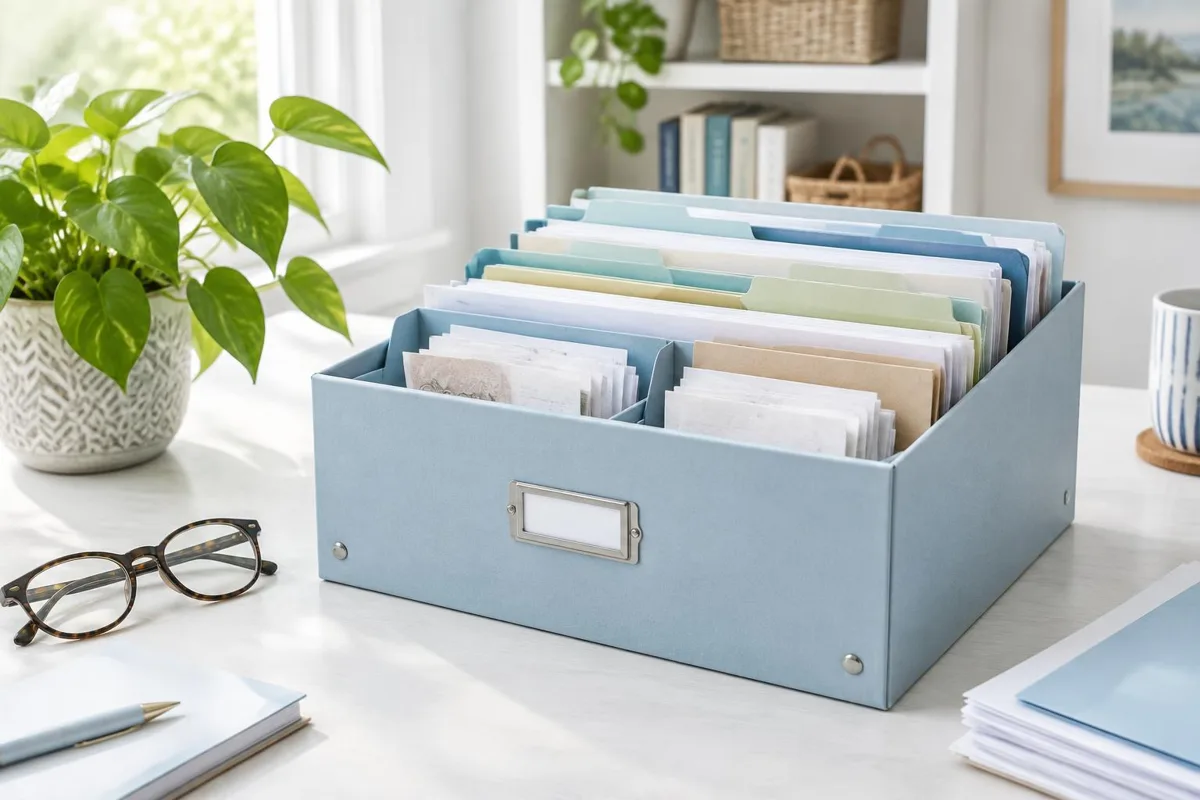
One folder per person. A simple paper folder for each family member, in one drawer or box. New paperwork goes in the right folder the day it comes home.
A one-page summary on top. For each person, keep a single page with the essentials: medications, allergies, conditions, doctors and insurance. This is the page you hand to an urgent-care desk or a new doctor.
Photos for the pages you need most. Vaccination records, insurance cards and the summary page are the ones you'll be asked for away from home. Photograph them so you have them on your phone.
Remember can hold those photos with a sentence about each one, so in the school office you can ask "Where's Maya's vaccination record?" and pull it up in seconds. Memories in Remember are private to you unless you choose to share them with your family group. Free on iPhone and Android.
Update after every visit. When you get home from an appointment, take two minutes: add any new papers to the folder, and update the summary if a medication or condition changed.
That Monday, revisited
Same call from the school nurse. You say, "I can send it right now," open your phone, find the vaccination record from her last checkup, and email it before you've finished your coffee.
The original is in her folder, in the drawer, exactly where it should be. But you didn't even have to go looking.
Start with the page you're asked for most. Snap it with Remember today.
This article is about organizing paperwork, not medical advice. For questions about your health or your records, talk to your doctor or their office.
Frequently asked questions
What should be in a personal health record?
Identity and emergency contacts, medications with doses, allergies, conditions, past illnesses and surgeries, immunizations, recent test results, family history, and practical details like insurance cards and doctors' contacts.
How do I get copies of my medical records?
Ask your provider. Under HIPAA, providers normally have up to 30 days to respond, can charge a reasonable cost-based fee, and can't deny access over an unpaid bill.
How should I organize my family's medical records?
Keep one folder per person with a one-page summary on top, photograph the pages you're asked for most often, and update the folder after each appointment.
Should I keep medical records digitally?
A secure digital copy of key pages, like vaccination records and insurance cards, is very useful away from home. Keep the full paper records at home as well.
The right page, in the waiting room. Snap vaccination records, insurance cards and summaries once. Pull them up anywhere. Free on iPhone and Android. Get it for iPhone · Get it for Android · Or start in your browser
Sources
- Personal health records — MedlinePlus
- Your right to access your health information — HHS
- Your medical records — HHS
Related articles
The Emergency Grab-and-Go Folder · The Household Info Sheet Every Family Should Have
New articles, by email
Practical ways to remember the little things. No spam, leave anytime.