 Remember
Why we built Remember
It started with a simple question: where did I put that?
The moment
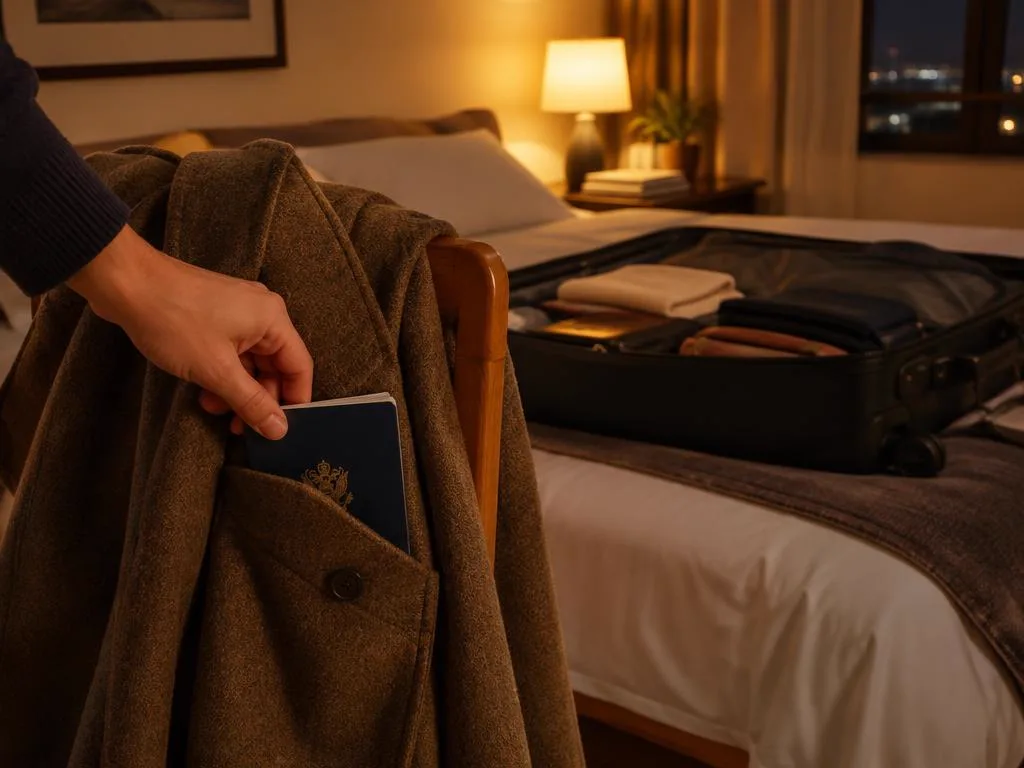
It was the night before a trip, and the passport wasn't where I was sure I'd left it. I took apart three drawers and two closets. I found it at 1 a.m., in a coat pocket. Lying awake afterward, I kept thinking: there has to be a better way.
The realization
Losing things isn't a character flaw. Modern life simply hands us more to keep track of than any head can hold — where things are, what people told us, what we decided and why.
We already carry a phone everywhere. It can see, it can listen, and it can understand a question. So why were we still trusting our memory to sticky notes and good intentions?
What we built
Remember is the answer we wanted for ourselves. You snap a photo, say a sentence or type a note, and let it go. When you need it, you ask in plain words, and it answers.
That's the whole idea. Everything we add has to pass one test: does it make remembering easier, or does it make it work?
What we believe
Your memory should work for you. No sorting, no tagging, no filing.
Private means private. Your memories and your journal belong to you. We don't sell your data or show you ads. You can export everything or delete your account at any time.
Simple wins. If saving something takes more than a few seconds, people stop doing it. So it never should.
Who's behind it
Remember is built by Bamadou Ouattara, an independent maker. Remember is independent, and we use it every day ourselves.
Say hello
An idea, a question, or something not working? Write to us at [support email]. A real person reads every message.